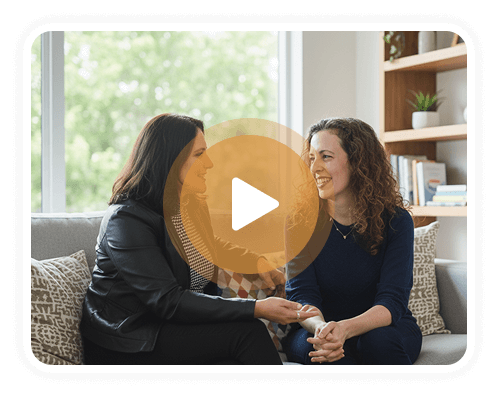
We’re inviting people living with GVHD to join a clinical research study to help improve care and support. The study is testing a virtual workshop called Horizons, designed to build resilience and foster connection among people with GVHD. This research is a collaborative effort between Massachusetts General Hospital, Harvard Medical School, and the University of Miami/Sylvester Comprehensive Cancer Center.
Horizons Group: You’ll take part in Horizons, an 8-week online workshop with 6-8 other participants. Sessions will be led by two clinicians with expertise in transplant care and behavioral health. Each session will focus on fostering connections and practicing skills for managing GVHD.
Educational Group: You’ll receive a GVHD booklet that includes evidence-based tips and information on managing GVHD.
All participants will be asked to complete 3 brief surveys over the course of the study. Your input will help us learn how to improve care for people living with GVHD.
Are adult (≥18 yrs) allogeneic transplant survivors
Have GVHD symptoms
Are willing to participate in a group telehealth workshop in English or Spanish language
Your participation in the Horizons Study will last approximately 18 weeks. Here’s a simple breakdown of what will happen during each phase:
Connect with a study team member to find out if you're eligible.
Contact Horizons Team to Learn More!Have questions? Call us at (305-243-0456) to speak with a study team member. We'll walk you through the details and the informed consent process.
Once you're ready, a member of our team will guide you through the enrollment—either over the phone or in person, whichever is more convenient for you.
By taking part in this trial, you’re helping researchers and healthcare providers better understand how to improve care for people living with chronic graft-versus-host disease (cGVHD). Your voice and experience can shape future support services. When you take part in a clinical trial, you’re not only contributing to healthcare research—you're helping create a better path forward for others living with cGVHD after transplant.